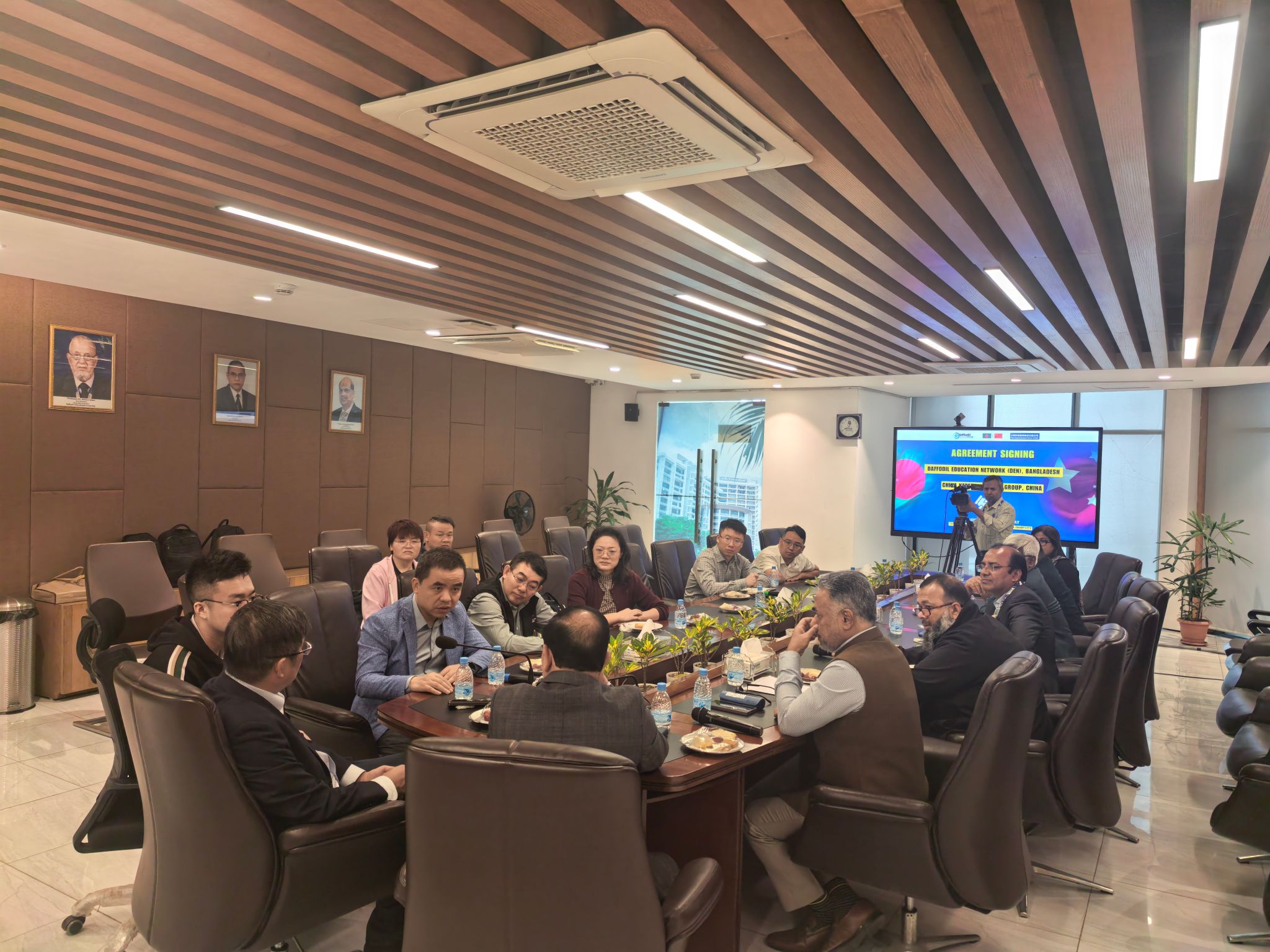
On December 10, 2025, Dr. Md. Sabur Khan, Chairman of Bangladesh's leading educational group Daffodil Education Network, and Mr. Ye Nianqiao, Chairman of the Board of China KEPEI Education Group, formally signed a strategic cooperation framework agreement at Daffodil International University. This marks the comprehensive launch of long-term strategic collaboration between the two parties in the fields of education, scientific research, skill development, and global talent cultivation.
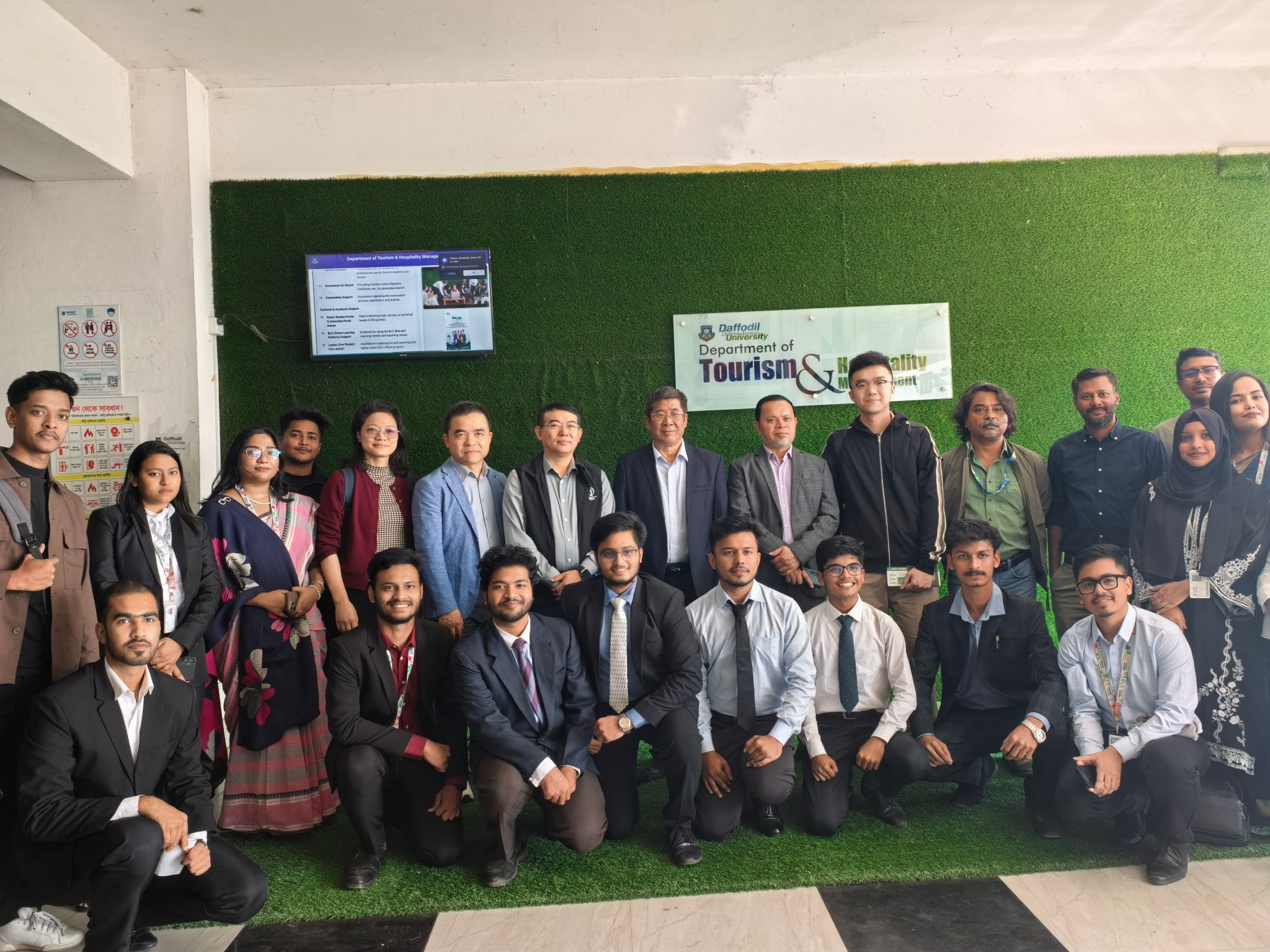
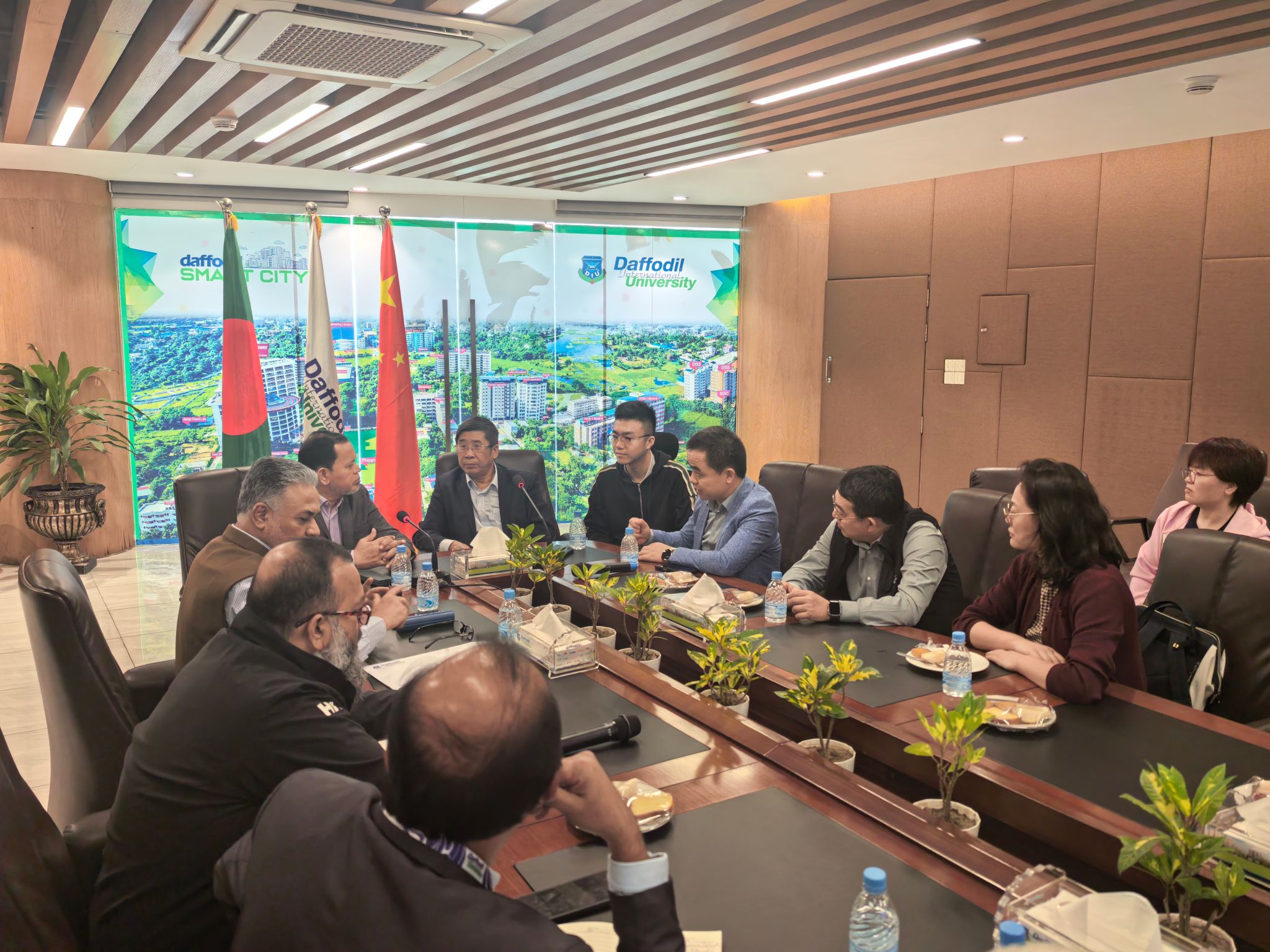
At 11:30 AM, Mr. Ye Nianqiao, Chairman of KEPEI Group, CEO Ms. Li Yan, and other members of the delegation arrived at Daffodil International University, where they were warmly welcomed by Dr. Nuruzzaman, Director of International Affairs at the university. Subsequently, led by Dr. Md. Sabur Khan, Chairman of Daffodil Education Network, the KEPEI delegation toured its library, various laboratories, the Belt and Road Research Center, and the School of Tourism and Hospitality Management. In the hospitality management lab, they learned that the university sends students annually for internships at hotels in Hainan, China, demonstrating a friendly and supportive attitude towards China. Following the tour, both sides held positive discussions in the Chairman's Meeting Room of Daffodil International University. During the meeting, Daffodil International University comprehensively introduced its diversified educational ecosystem, while China KEPEI shared its mature experience in applied education and vocational skills training. Subsequently, both parties signed a framework memorandum of understanding, exchanged gifts, and took commemorative photos.
According to the Strategic Cooperation Framework Agreement,Both Parties Will Focus on Five Core Objectives:
↓↓↓
01 Jointly enhance the quality of applied higher education, technical, and vocational training, and build industry-linked learning pathways.
02 Strengthen the two-way exchange mechanism for teachers and students, expanding opportunities for short-term study tours, semester exchanges, and 2+2/3+1 transnational cultivation models.
03 Collaborate on joint research in emerging technologies and applied sciences.
04 Establish talent pipelines for global markets including Japan, South Korea, China, the Middle East, and Europe.
05 Jointly establish a China-Bangladesh Applied Technology College, setting a benchmark for educational cooperation between the two countries.
The achievement of this strategic cooperation will not only promote complementary advantages and resource sharing between the two parties but will also inject new momentum into cross-border educational collaboration between China and Bangladesh. It aims to cultivate high-quality talent with international perspectives and professional skills for both countries and the global market, contributing to educational connectivity and people-to-people exchanges under the Belt and Road Initiative.
Both sides expressed that they will take the signing of this framework agreement as a starting point, accelerate the implementation of specific cooperative projects, and jointly write a new chapter of win-win educational cooperation between China and Bangladesh.


