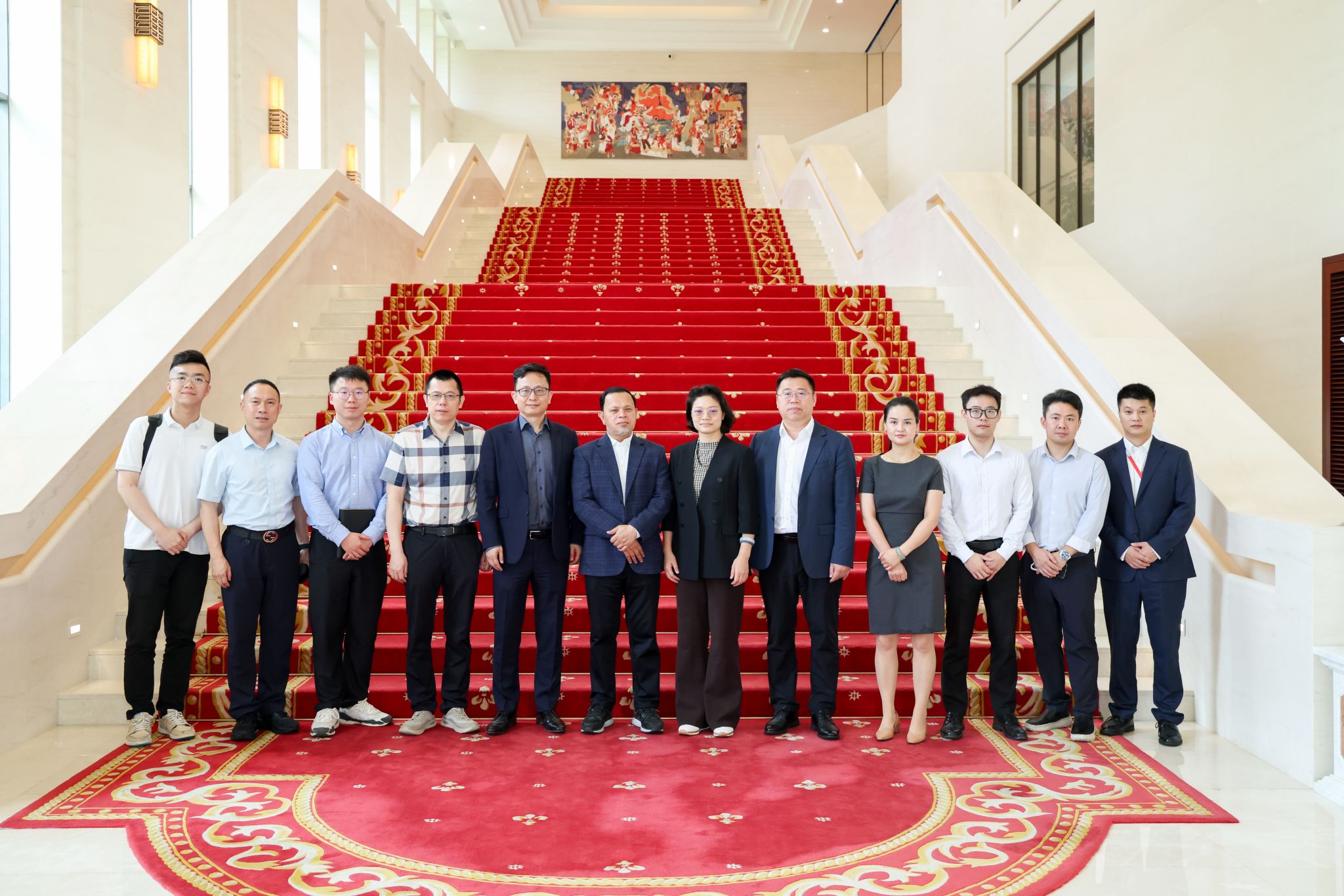
Recently, Dr. Md. Sabur Khan, Chairman of the Board of Bangladesh Daffodil Group, led a delegation to visit China KEPEI Education Group. Chairman Ye Nianqiao and President Li Yan of KEPEI Group accompanied the delegation. From April 16 to 18, the delegation visited benchmark enterprises including Huawei and BYD, and conducted in-depth field research at Guangdong Technology College and Zhaoqing Science and Technology Secondary Vocational School, both under KEPEI Group. The two sides held detailed discussions on key topics such as international school operation, joint development of Chinese industrial colleges, industry-education integration for collaborative talent cultivation, and two-way exchanges of teachers and students. Multiple cooperation consensuses were reached, laying a solid foundation for the implementation of China-Bangladesh educational cooperation.
The delegation’s first stop was Huawei’s Shenzhen Bantian Campus, where they gained an in-depth understanding of Huawei’s technological layout and achievements in the field of smart education. Discussions focused on integrating AI technology and the HarmonyOS ecosystem into education, digital campus development, and innovative models of school-enterprise collaboration. Both sides agreed that deep integration of next-generation information technology with education and teaching is a key driver for high-quality development of higher education and vocational education, as well as for improving talent cultivation quality. This also provides actionable pathways for the digital and intelligent construction of China-Bangladesh joint education programs.
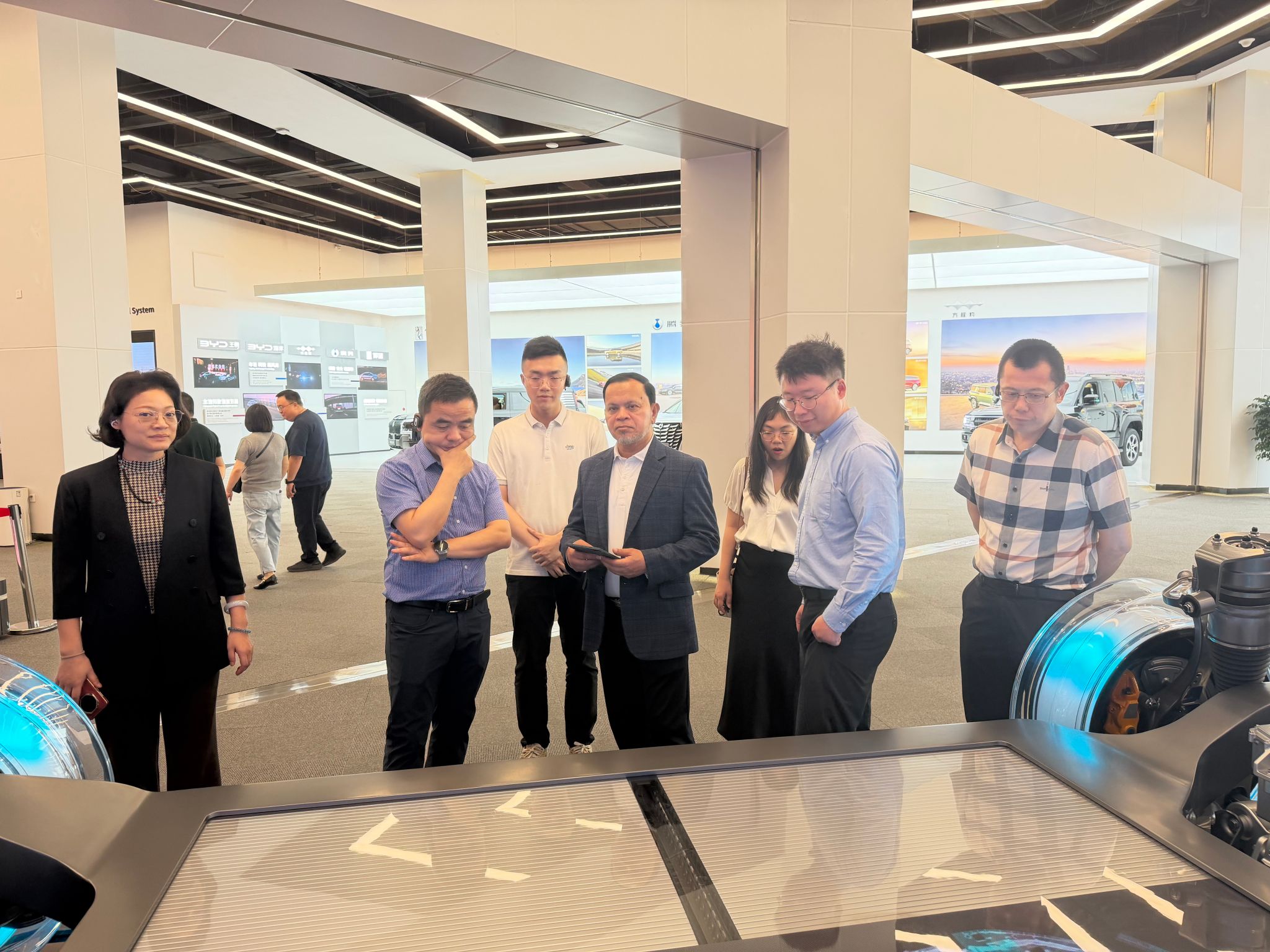
The delegation then visited BYD’s global headquarters, where they gained a comprehensive understanding of BYD’s development history, the current state of China’s new energy vehicle industry, core technological breakthroughs, and industry talent demand standards. The two sides held discussions on school-enterprise collaborative talent cultivation, joint development of industrial colleges, and establishment of internship and employment bases. They exchanged views on precisely aligning with industry needs, optimizing talent training programs, and building an applied talent cultivation system, laying the groundwork for future industry-education integration involving schools, enterprises, and the university.
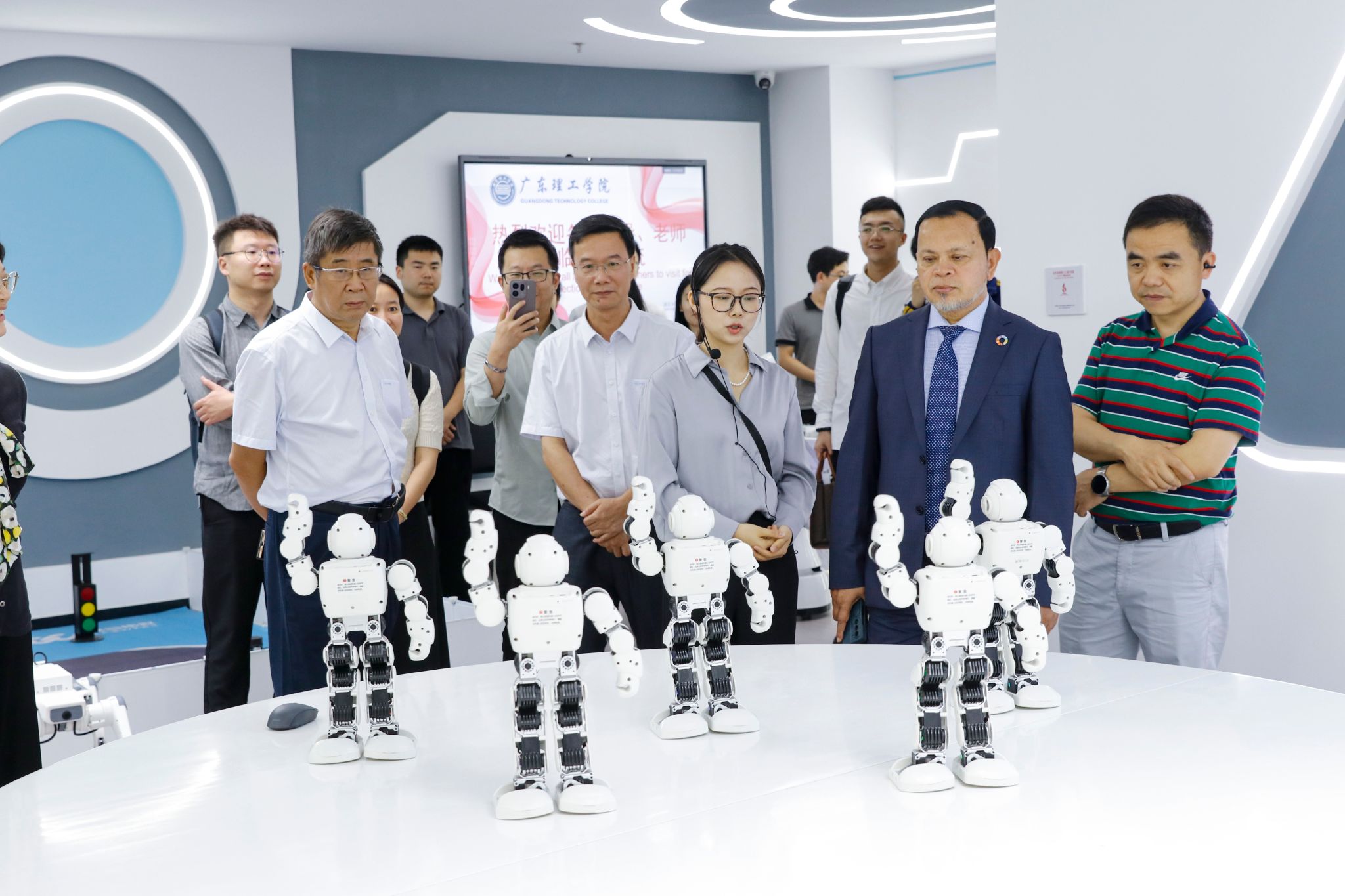
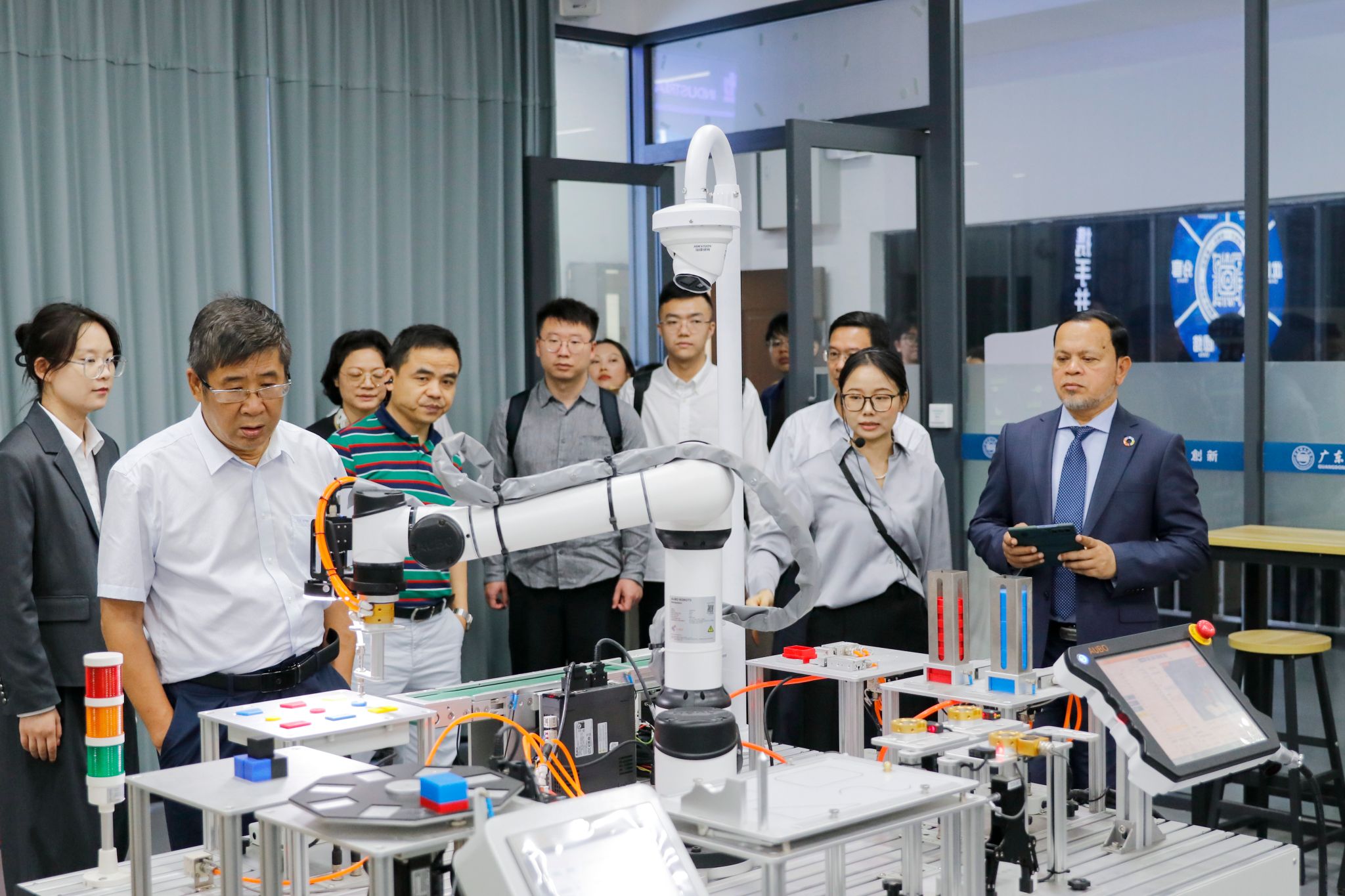
During their inspection of KEPEI Group’s educational institutions, the delegation toured the teaching buildings, training centers, industry-education integration bases, and libraries of Guangdong Technology College and Zhaoqing Science and Technology Secondary Vocational School. They gained detailed insights into the scale of education, program offerings, practical training systems, school-enterprise cooperation outcomes, and distinctive features of talent cultivation. The delegation spoke highly of KEPEI Group’s educational capabilities, practical achievements in industry-education integration, and applied talent cultivation models.
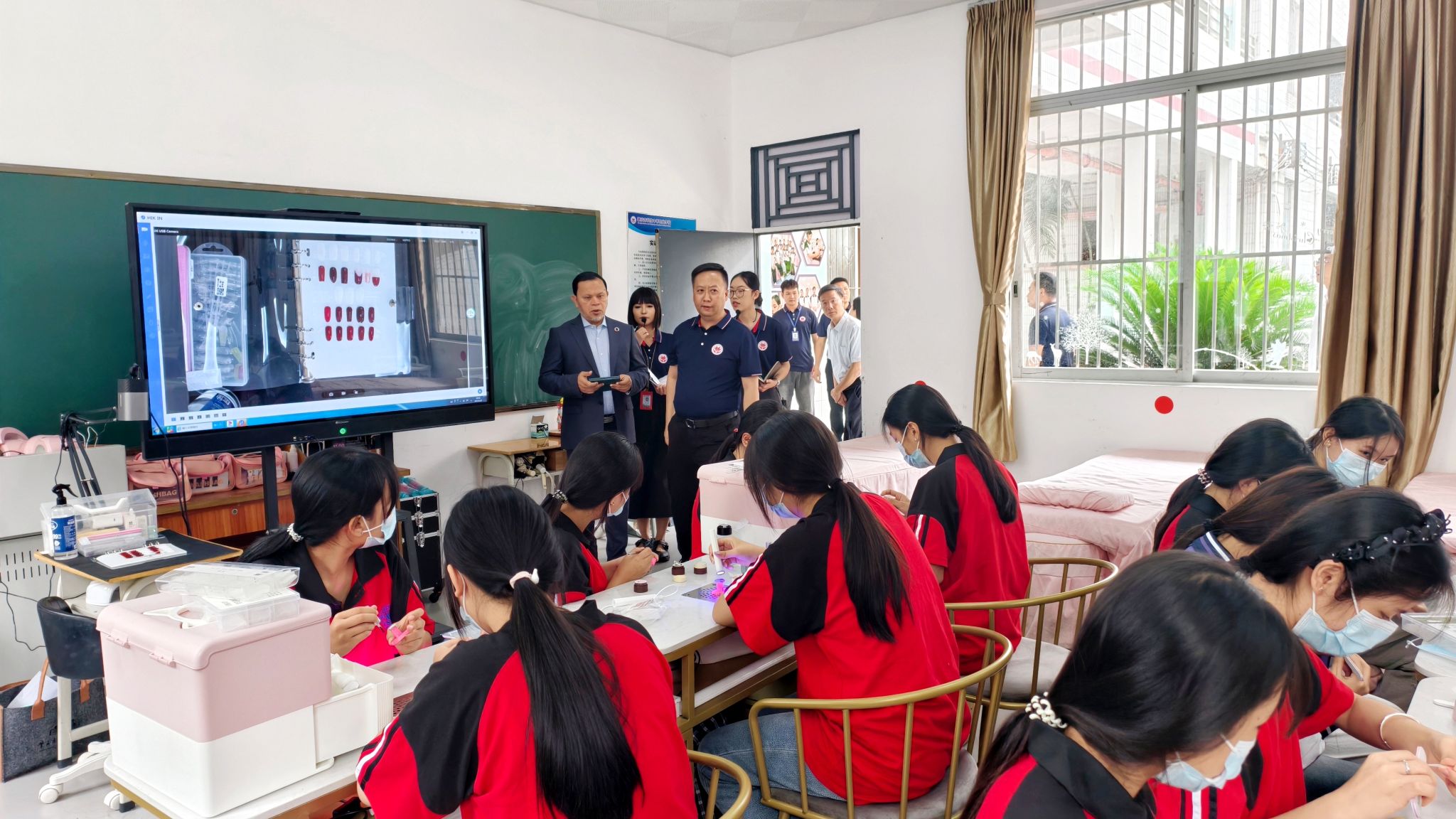
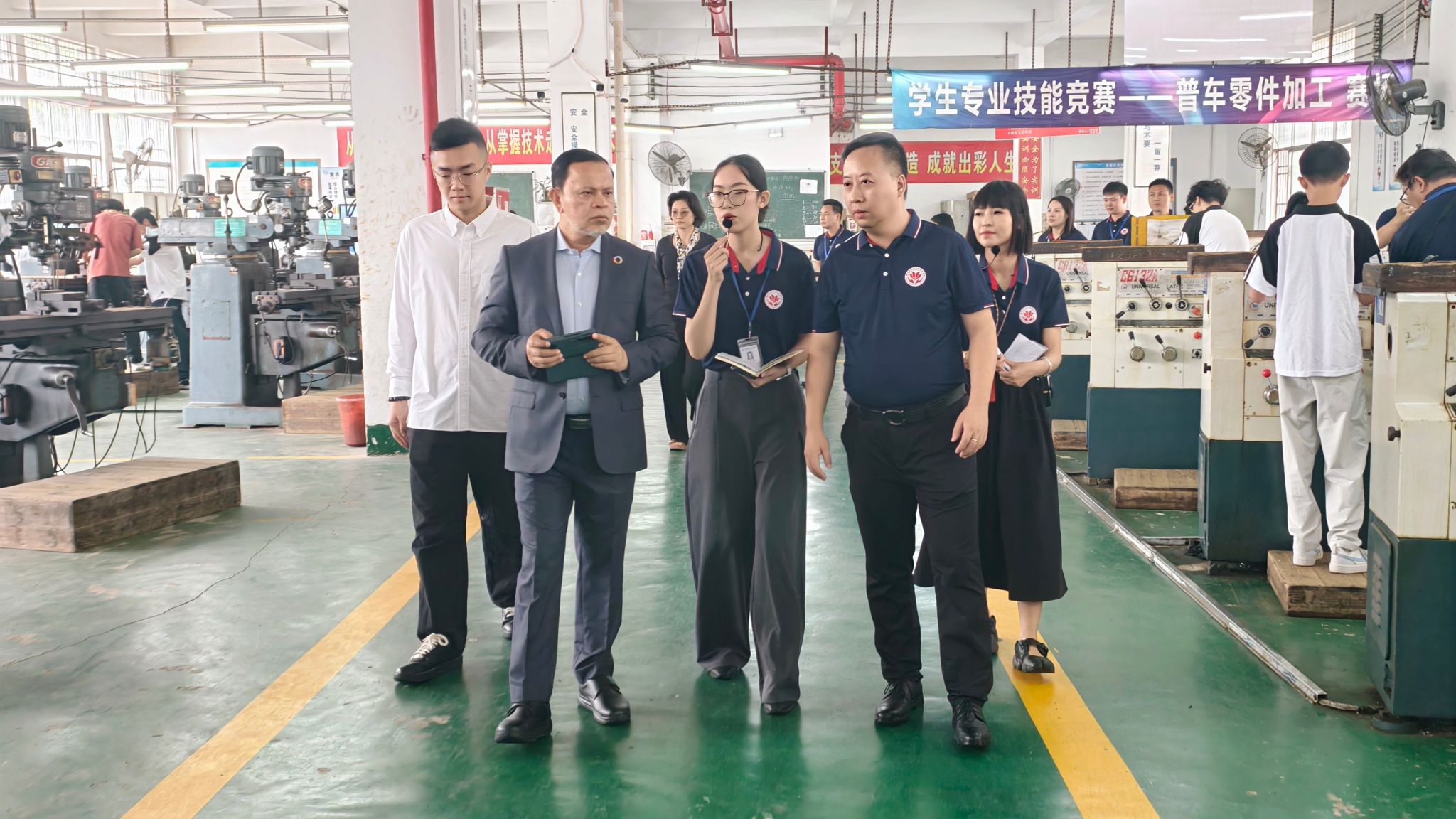
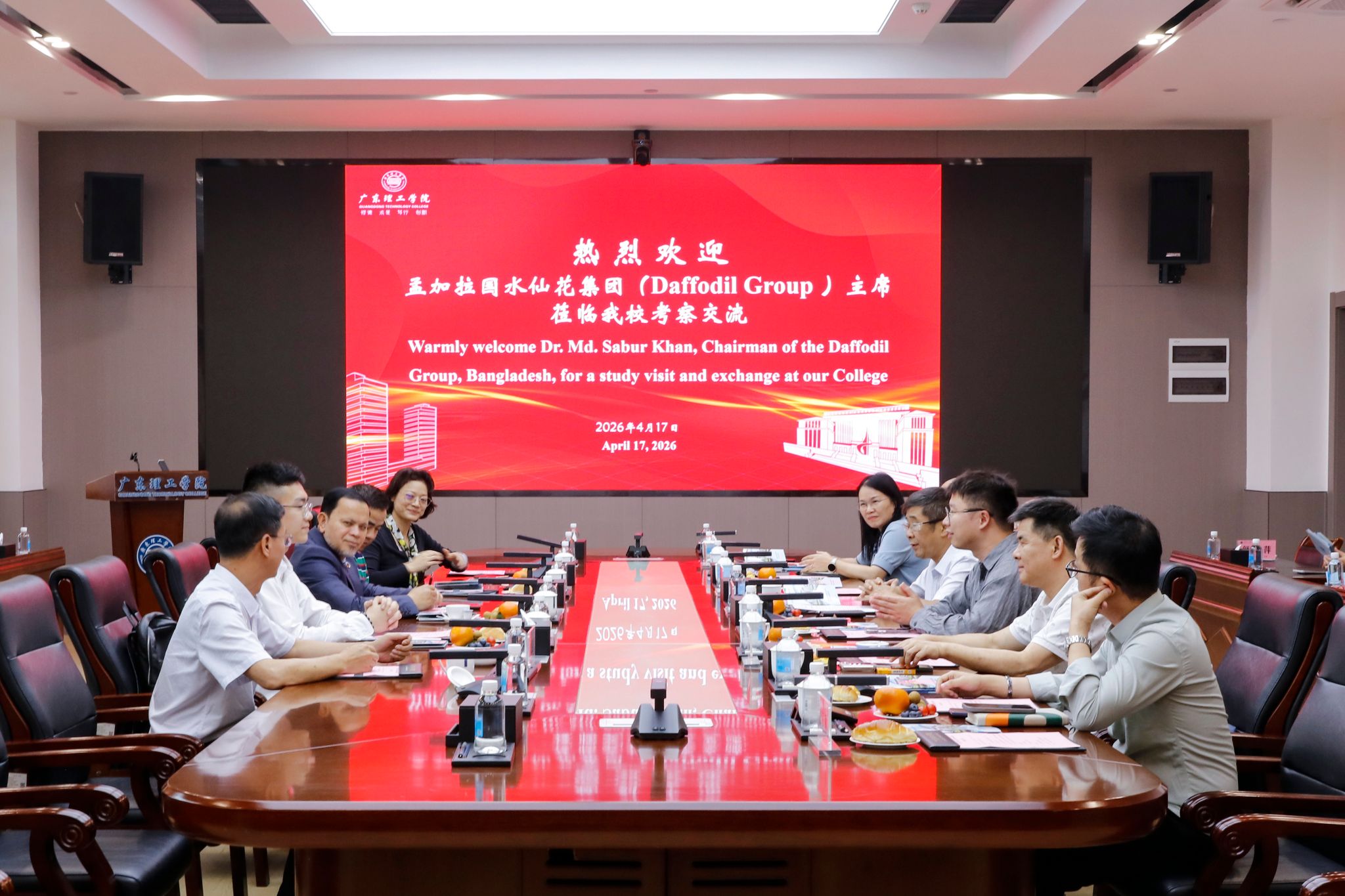
In formal talks, Ye Nianqiao, Chairman of KEPEI Group, extended a warm welcome to the delegation and provided a comprehensive overview of KEPEI Group’s educational layout, development history, core strengths, and internationalization strategy. He highlighted the group’s practical achievements and plans in industry-education integration and applied talent cultivation. Dr. Md. Sabur Khan introduced the distinctive features of Daffodil International University, its internationalization strategy, and plans for China-Bangladesh educational cooperation. He expressed strong recognition of KEPEI Group’s educational strengths and development philosophy. The two sides engaged in detailed discussions on key cooperation areas, including joint development of Chinese industrial colleges, credit recognition and joint training programs, two-way exchanges of teachers and students, study tour programs in China, and export of curriculum standards. A cooperation framework and implementation timeline were defined, along with key future cooperation goals.
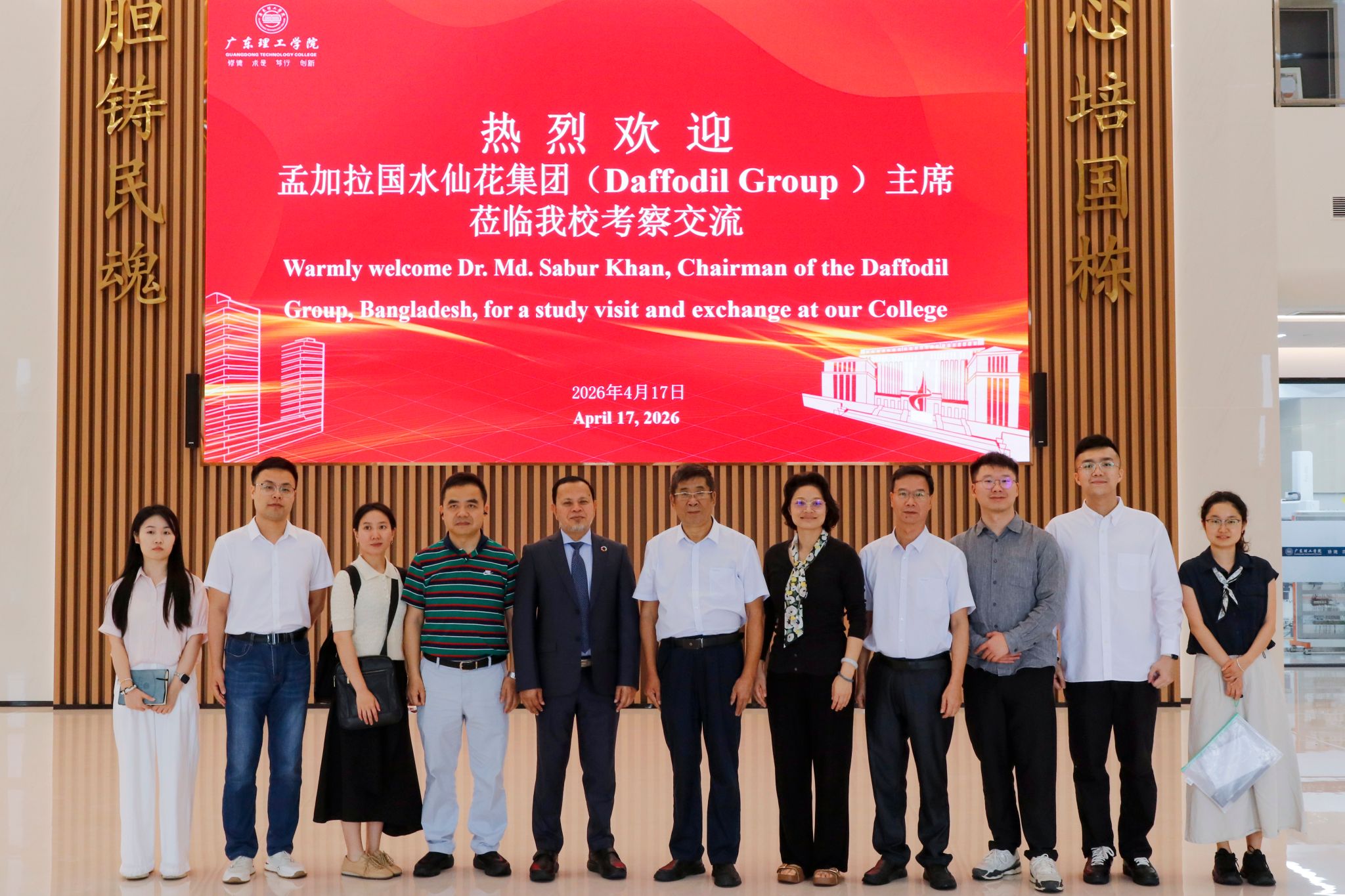
This visit by the Chairman of Bangladesh Daffodil Group is an important practice of KEPEI Group’s response to the Belt and Road Education Action initiative and deepening international educational cooperation. It has built a solid bridge for KEPEI Group’s international school operation and the synergistic development of China-Bangladesh industry-education integration. Looking ahead, KEPEI Group will continue to focus on applied and vocational talent cultivation, deepen international educational exchanges and cooperation, promote the two-way flow of high-quality educational resources, and contribute to the Belt and Road Initiative while fostering the development of China-Bangladesh educational, cultural, and industrial collaboration.


